The Environmental Impact of Fencing: Choosing Sustainable Materials Mar 30, 2026
When considering the environmental impact of fencing, the primary focus should be on the materials used. Traditional fencing materials like virgin wood and non-recyclable plastics can contribute to environmental degradation. Deforestation and the inability to decompose contribute significantly to the carbon footprint. On the contrary, choosing sustainable fence materials, such as recycled wood, metal, or composite, can drastically reduce environmental impact.
Recycled wood is an excellent option as it makes use of previously felled trees, thereby reducing the need for further deforestation. This type of wood is often treated to withstand weather conditions, ensuring durability. Furthermore, using wood certified by the Forest Stewardship Council (FSC) ensures that it was harvested sustainably.
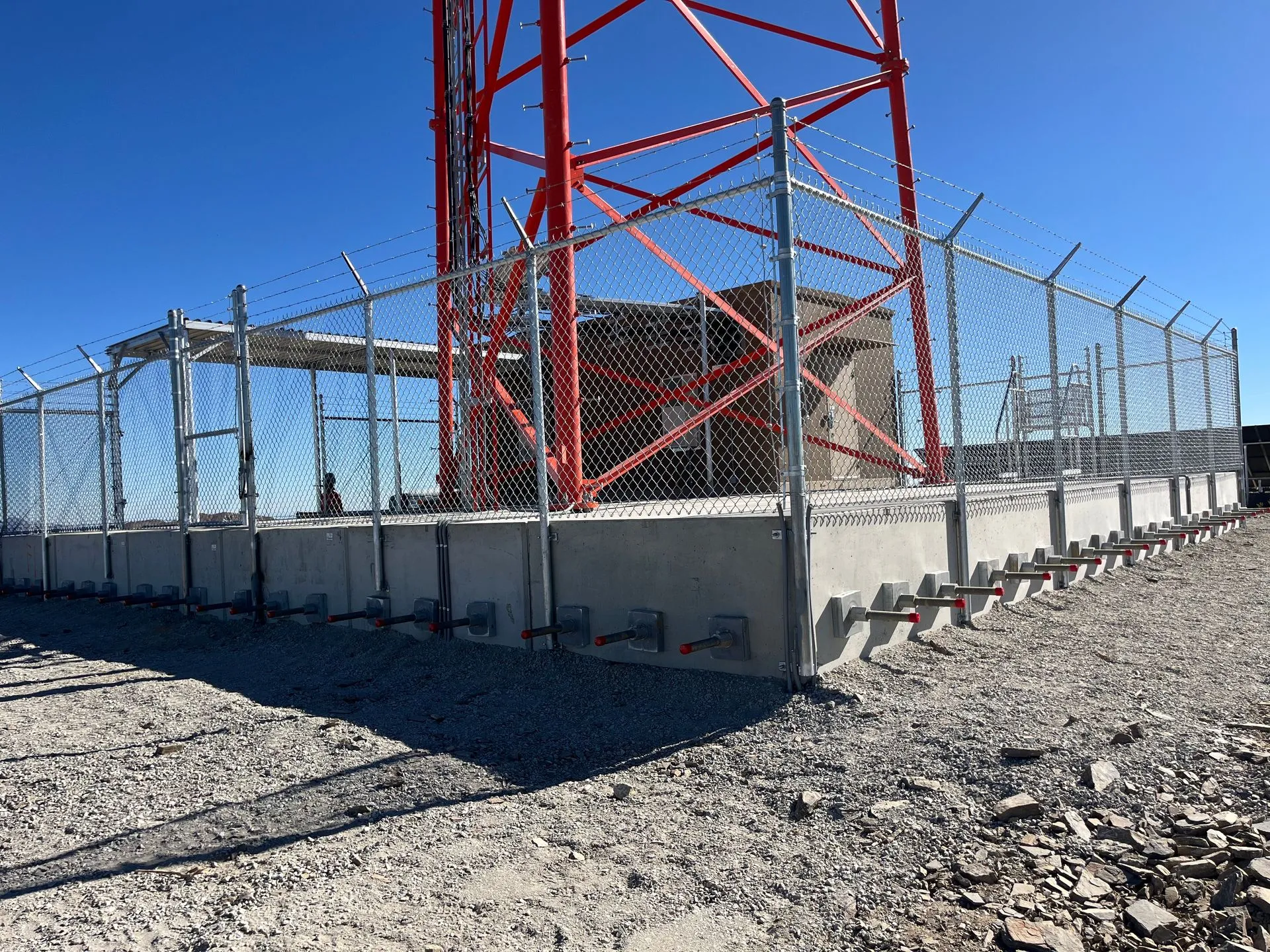
Metal fences, particularly those made from recycled steel and aluminum, offer durability and a reduced environmental footprint. These metals are highly recyclable, which means that at the end of their lifespan, they can be reused rather than ending up in a landfill. Metal fences require less maintenance and provide a robust barrier that can withstand harsh environmental conditions. Their recyclability ensures that they have a substantially lower carbon footprint compared to other materials.
Composite fencing, which typically combines wood fibers and plastic, is another sustainable choice. These fences are designed to last longer and require minimal upkeep, often being resistant to environmental stresses such as rot and insect damage. The production of composite fencing often utilizes materials that would otherwise go to waste, turning potential landfill contributions into something functional and long-lasting.
Beyond material choice, the method of installation also plays a crucial role in environmental sustainability. Using eco-friendly sealants and paints can prevent harmful chemicals from leaching into surrounding soil and water systems. Ellis Fence Co. prioritizes non-toxic options and expert installation techniques that preserve the local environment and protect local flora and fauna.
Moreover, the sustainability of fencing extends to its lifecycle. Opting for longer-lasting materials reduces the need for frequent replacement, ultimately conserving resources and reducing waste over time. Proper maintenance, such as periodic cleaning and sealing, prolongs a fence's life, further reducing environmental impacts.
Choosing the right fence is not only about aesthetics or functionality; it’s about being responsible stewards of our environment. Making informed decisions can greatly diminish the ecological footprint left by conventional fencing choices. As more consumers demand environmentally friendly options, the market continues to innovate, offering solutions that are both stylish and sustainable.
In conclusion, at Ellis Fence Co., we understand that making environmentally sustainable choices benefits everyone. By opting for recycled, durable, and low-maintenance materials, customers can enjoy a beautiful fence that aligns with their environmental values. When planning your next fencing project, consider the impact it will have on our planet and choose sustainable materials that will stand the test of time both aesthetically and environmentally. Choosing wisely today not only impacts the present but also secures a better future for generations to come.
/filters:no_upscale()/filters:format(webp)/media/4cbf4b14-53c1-428d-b0a1-8061a622bda7.jpeg)