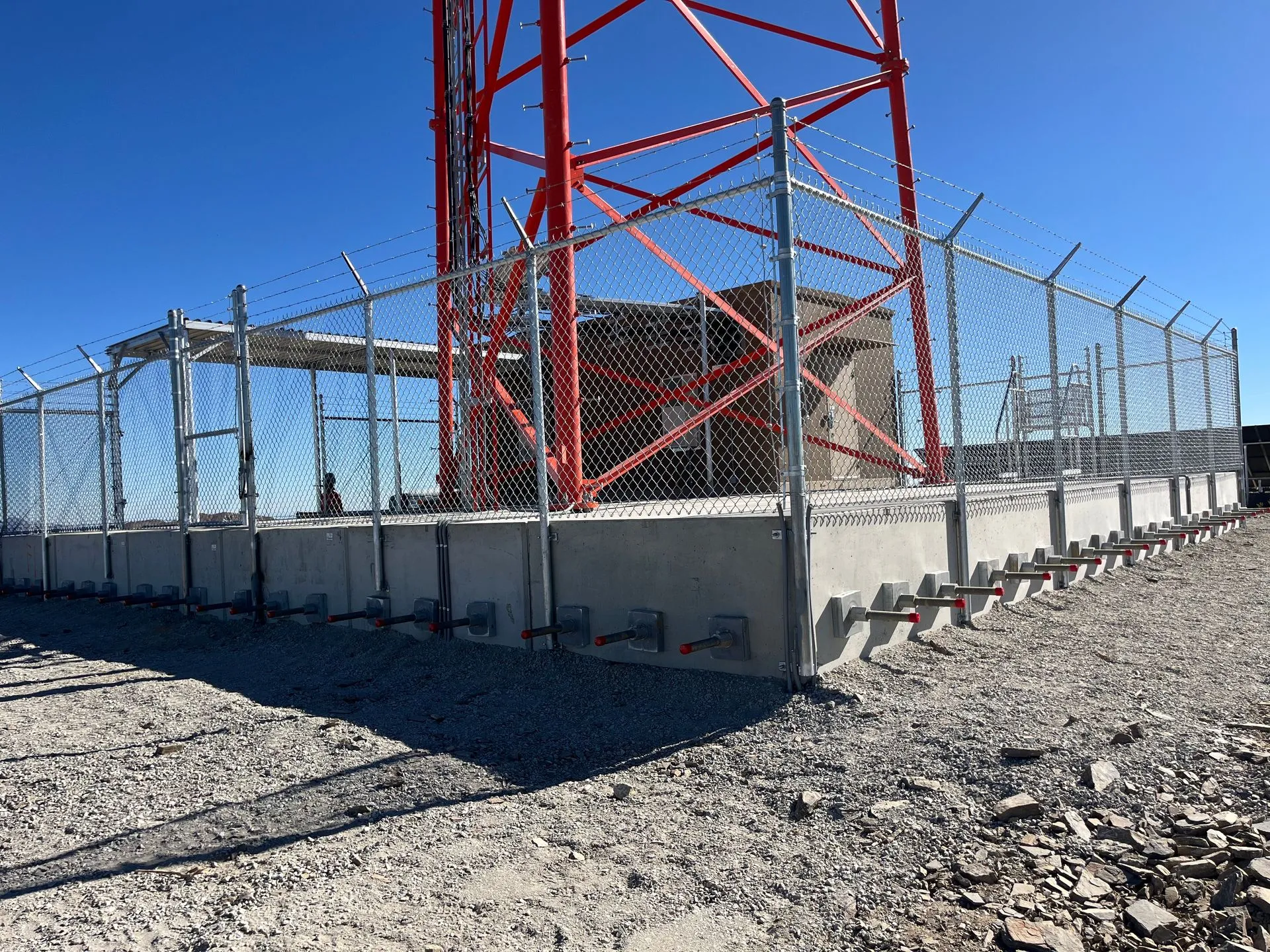
Designing with Purpose: Creating Fences that Complement Natural Landscapes Jul 02, 2026
To begin with, it's crucial to assess the landscape where the fence will be installed. Take into account the terrain, existing flora, and the overall layout of your garden or yard. These natural elements will guide the materials and style best suited for your fence. For instance, in a lush, green environment, a wooden fence might feel more organic and blend well with the scenery. On the other hand, in a desert-like setting, a stone or metal fence can harmonize with the rugged terrain.
Choosing the right materials is essential in ensuring that the fence complements your landscape. Natural materials like wood and stone are excellent choices for more rustic, traditional gardens, offering a warm aesthetic that can age gracefully over time. Wood, in particular, offers versatility with different stains and finishes that can match or contrast various plant life around your home. If you're aiming for a modern look, metal or glass can offer sleek lines that can act as a bridge between the natural and the contemporary.
Once the materials are decided, consider how the fence design itself can enhance the landscape. A thoughtful design accounts for the height and scale of plants, trees, and other landscape features. For instance, a low picket fence allows for an open view of flowering plants, while a taller privacy fence can provide a backdrop for taller shrubs or trees. Integrating plantings directly into the fence design, such as using climbing plants or incorporating planters, can soften hard lines and make the fence feel like an extension of your garden.
Color is another vital consideration in your fence design. Natural wood tones work well in wooded or earthy settings, while white or lighter colors might suit more coastal or cottage landscapes. When choosing colors, think about the seasonal changes in your garden. Will your fence complement the vibrant hues of fall foliage, or the bright blooms of spring?
Sustainability is also a growing concern for many homeowners. Opting for eco-friendly materials and finishes not only supports your local ecosystem but can also enhance the authenticity and integrity of your fence's connection to the landscape. At Ellis Fence CO, we offer a range of sustainable options that can contribute to environmentally responsible construction without compromising on style.
Finally, always consider how your design can serve its purpose while respecting nature. By combining functionality with aesthetic considerations, your fence becomes more than a barrier. It transforms into a feature that enhances and celebrates the natural beauty of your surroundings, a statement of harmonious living.
In conclusion, designing a fence that complements natural landscapes requires thoughtful planning and consideration. By assessing your environment, selecting appropriate materials, and considering design details such as height, color, and sustainability, you can create a beautiful and functional addition to your property. At Ellis Fence CO, we are here to assist you in every step of this process, ensuring that your fence meets your practical needs while highlighting the unique charm of your landscape.
/filters:no_upscale()/filters:format(webp)/media/4cbf4b14-53c1-428d-b0a1-8061a622bda7.jpeg)